Project timeline: 2021–2022 · retrospective. Published as a retrospective on 23 October 2026.
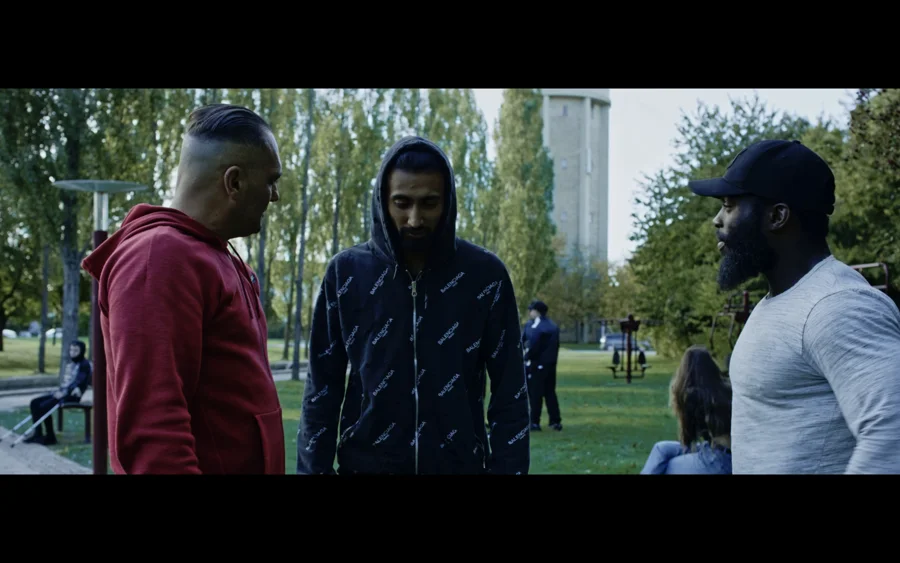
I did not want the people in Gadens Melodi to sound as if they were performing a version of the world from somewhere far away. The film needed conversations that felt close to the characters. That is why, in my festival interview, I talked about giving actors freedom in the way they delivered dialogue while staying within the script.
For me, the central character’s wish to help his mother is crucial. It gives the story something human to hold onto before the pressure and violence take over. I am a father myself, and stories about what people will do for family matter to me. That does not excuse every decision a character makes; it helps explain why the decision carries weight.
From the idea to the screen
Natural dialogue is not the same as dialogue without structure. A conversation in a film has to reveal something, change a relationship or carry a decision. I want an actor to understand that movement, then have room to make the delivery feel inhabited. The intention of the scene matters more than preserving a lifeless reading of every line.
This approach asks for attention from the director as well. If an actor finds a more convincing rhythm, I need to recognise whether it helps the scene or takes it away from its purpose. Freedom works best when the people involved understand what the scene is doing and where its boundaries are.
I also discussed research into the world behind the film. For me, research is a way of testing the assumptions a story can easily make. What looks dramatic on paper may not be the detail that makes a situation believable. Sometimes a familiar gesture or an ordinary exchange creates a stronger sense of truth than a large confrontation.
The film concerns violence and the pressure surrounding a young man. I did not want authenticity to become an excuse to make that pressure look attractive. The story's consequences matter. A recognisable environment should help the audience understand how someone is drawn into a situation, not erase the damage that follows.
There is a connection here between writing, performance and the camera. A scene needs room for the viewer to notice a reaction, hear a hesitation or understand a change in a relationship. If the filmmaking insists too loudly on its own intensity, those smaller pieces of information can disappear.
The question I carry from this film is how to make a character feel understood without making the story comfortable. I want the audience to recognise a person before judging a plot point. The dialogue, the reactions and the room given to the actors are all part of trying to create that connection.
Add your voice
Leave a comment.